
When searching for a new home, buyers are often torn between the appeal of a contemporary new-build and the charm of an older, more traditional property. Both options offer distinct benefits as well as important financial, practical and lifestyle considerations.
This guide explores the advantages, drawbacks and potential hidden costs of each, helping you make an informed and confident decision.
What are the benefits of new-build homes?
Exceptional energy efficiency and lower running costs
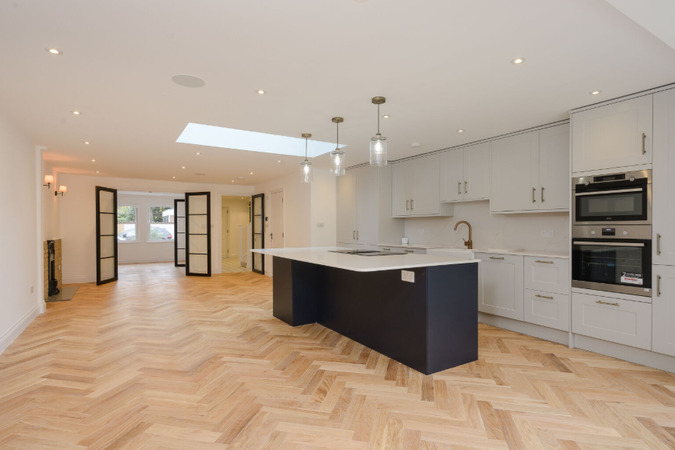
New-build homes are built to today’s stringent standards and typically feature advanced insulation, efficient glazing and modern heating systems. These elements combine to deliver reduced utility bills and a comfortable, climate-controlled environment throughout the year.
Low-maintenance living from day one
Because everything, from the wiring to the roof, is brand new, early maintenance requirements are minimal. Many developers also provide structural warranties, often lasting up to 10 years, which offer valuable reassurance for new homeowners.
Developer incentives and personalisation options
New-build developments frequently offer incentives such as contributions towards legal fees, upgraded specifications or enhanced appliance packages. Buying off-plan may also give you the opportunity to customise finishes, fittings or even aspects of the layout before construction is complete.
What are the drawbacks of new-build homes?
Premium price tags and more compact spaces
New-build homes often come with higher price points per square foot compared with older properties. In some developments, room proportions and plot sizes may also be smaller due to modern construction trends and land constraints.
Snagging issues during the early stages
Minor imperfections, known as snags, are common in newly built homes. Developers will usually resolve these, but the process can take time and may require patience during the early weeks of ownership.
Estate management and service charges
Many new-build estates include private roads, landscaped areas or shared facilities that require ongoing maintenance, often funded through management fees. Flats may incur additional service charges or fall under leasehold arrangements.
Potential for short-term value plateau
Once a new home is resold as a second-hand property, it may experience a short-term dip or stagnation in value as the initial premium attached to being brand new naturally fades.
What are the benefits of older homes?
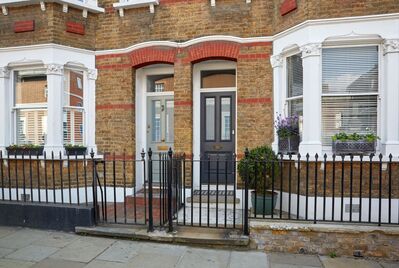
Character, craftsmanship and generous space
Period homes often showcase features such as high ceilings, ornate fireplaces, larger rooms and established gardens which are elements that are increasingly rare in modern construction. For many buyers, these details offer a sense of warmth, charm and individuality.
Settled neighbourhoods with established communities
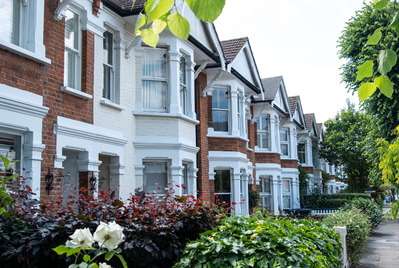
Older homes are commonly located in mature, well-established areas, complete with long-standing amenities, tree-lined streets and a community feel that develops over decades.
Strong potential for renovation and value growth
Older properties tend to be more adaptable when it comes to improvements or extensions. Whether modernising interiors or reconfiguring floor plans, these homes can offer significant opportunities to personalise and to add value over time.
What are some of the drawbacks of older homes?
Ongoing and unpredictable maintenance costs
From boilers and plumbing to roofing and electrics, older systems often require updating or replacement. Buyers should budget for both routine upkeep and unexpected repairs, especially with larger or significantly aged properties.
Lower baseline energy efficiency
Traditional homes may suffer from draughty windows, outdated heating systems or poor insulation. Improvements can enhance comfort and reduce bills, but upgrades such as new windows or insulation may require a meaningful financial outlay.
Potential issues identified in surveys
Structural movement, damp or timber decay are more likely to appear in surveys of older properties. These findings can impact renovation plans, timelines and budgets, and should be carefully considered before proceeding.
Which type of home is right for you?
If you value convenience, energy efficiency, predictable maintenance costs and the ability to move in without undertaking renovations then a new home might be the preferred option for you.
However, if you are drawn to character, space, individuality and the potential to update or extend a home over time, whether for lifestyle needs or long-term investment, then an older home could be an idea option for you
Ultimately, both new-build and older homes can offer exceptional living experiences. By considering the practical differences, assessing potential hidden costs and understanding what truly matters to you, you will be well equipped to choose a property that supports your lifestyle, budget and long-term goals.
If you are currently weighing up your options, our team is here to guide you. Contact us today for expert advice and personalised support throughout your property journey.