Adding plants to a rented property: a tenant’s guide
Posted March 2nd 2026

Why should you check your tenancy agreement first?
Before bringing home trays of herbs or a collection of houseplants, it is wise to revisit your tenancy agreement. Many agreements contain clauses relating to alterations, both inside the property and in any outside space.
While adding plants is rarely an issue, changes to gardens, balconies or walls may require permission. If anything is unclear, speak to your landlord or letting agent before making adjustments. A quick conversation at the outset can prevent misunderstandings later and helps maintain a positive relationship throughout your tenancy.
Which indoor plants work best in rented homes?
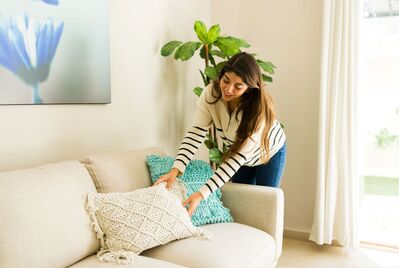
Indoor plants are one of the simplest ways to add warmth and character without making permanent changes. They soften a space, improve air quality and bring a sense of calm.
If you are new to houseplants, choose varieties that are easy to care for and thrive indoors. Snake plants, spider plants and philodendrons are all reliable options. They require minimal attention and adapt well to different lighting conditions, making them ideal for rental properties.
Starting with low-maintenance greenery allows you to enjoy the benefits of plants without the pressure of constant upkeep.
How can you add greenery if space is limited?
Not every rental property offers generous floor space, but that need not limit your creativity. Vertical gardening solutions, such as hanging baskets or wall-mounted planters, can create visual interest without cluttering rooms.
For balconies or small patios, carefully arranged pots can transform even compact outdoor areas into inviting spaces. The key is to enhance the property without making structural alterations.
Is container gardening a practical solution?
For tenants with access to outdoor space, container gardening is often the most suitable option. Pots and planters allow you to introduce flowers, herbs or even small vegetables without digging into borders or changing the layout of the garden.
Choose containers with proper drainage to prevent waterlogging and ensure they complement the style of the space. Portable raised beds or modular planters are also useful, as they can be repositioned or removed easily when your tenancy comes to an end.
How can you prevent damage to the property?
While plants can enhance a home, they can also cause accidental damage if not managed carefully. Watermarks on floors, staining on windowsills and damp patches from overwatering are common issues.
Using protective saucers or mats beneath pots will help safeguard surfaces. Avoid placing heavy containers on delicate flooring and take care not to overwater. A little attention to detail will protect both your deposit and the property itself.
What should you do at the end of your tenancy?
When it is time to move on, remove all plants, pots and temporary fixtures. The property should be returned in the same condition as at the start of the tenancy, allowing for fair wear and tear.
With thoughtful planning and clear communication, tenants can embrace the freshness of spring while fully respecting their rental agreement. Adding greenery need not be complicated and when done carefully, it can make a rented property feel truly like home.