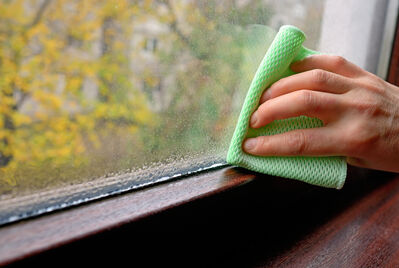

Colder weather can quickly reveal problems in a rental property, from inefficient heating and frozen pipes to leaks, condensation and mould. A few preventative checks can help protect your investment, reduce emergency repairs and keep tenants warm and comfortable throughout winter.
Check for draughts
Inspect windows, external doors and letterboxes for gaps that may be allowing heat to escape. Draught-proofing strips and door brushes can provide a simple solution, although purpose-built ventilation such as trickle vents and air bricks should never be blocked.
Prepare the heating system
Test the boiler, thermostat and radiators before temperatures fall significantly. Radiators that remain cold at the top may need bleeding, while persistent or uneven heating problems should be assessed by an appropriately qualified professional.
Tenants should also understand how to use the heating controls and know how to report a fault. Maintaining a reasonably consistent temperature can help reduce condensation and prevent pipes from freezing.
Protect exposed pipes
Pipework in lofts, garages and other unheated areas is particularly vulnerable during cold weather. Suitable lagging can help prevent pipes from freezing and bursting.
Make sure tenants know where the internal stopcock is located and how to turn off the water in an emergency. Outdoor taps should also be isolated where possible.
Prevent damp and mould
Check that extractor fans are working, vents are clear and windows can be opened safely. Tenants can help manage everyday moisture by using extraction when cooking or showering, ventilating rooms and avoiding drying laundry in unventilated spaces.
Recurring damp or mould should always be investigated. It may indicate inadequate ventilation, poor insulation, water ingress or another defect requiring attention.
Review energy efficiency
Insulation, efficient glazing and modern heating controls can make a property warmer and more economical to run. Review the property’s Energy Performance Certificate and consider whether any recommended improvements would be worthwhile.
Take care during void periods
Empty properties remain the landlord’s responsibility and may require additional precautions during winter. Check the conditions of your buildings insurance, maintain an appropriate level of heating and arrange regular inspections.
Responsibilities should also be agreed clearly with your managing agent, as daily visits should not be assumed unless they form part of the management service.
Protecting your property through winter
A proactive winter inspection can identify minor concerns before they develop into expensive or disruptive problems. It also helps protect tenants, preserve the condition of the property and support a successful tenancy.
Hawes & Co’s experienced lettings and property management teams can assist with inspections, maintenance coordination and tenant communication. Contact us today to find out more.